 MK International Medical
The most advanced anti-aging treatment
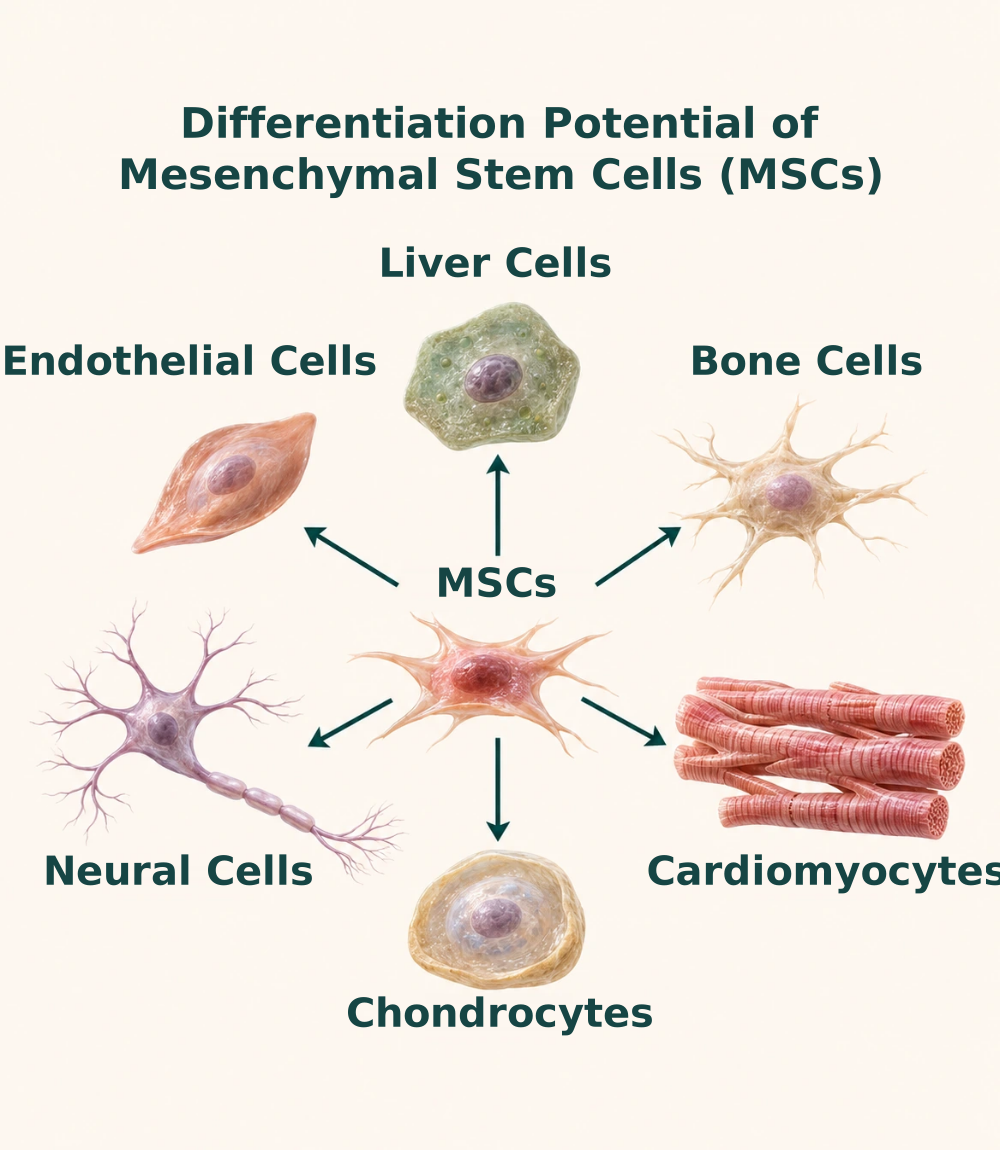
Mesenchymal stem cells can renew themselves and differentiate into several cell types, including bone, cartilage, liver, nerve and heart muscle cells.
Moreover, MSCs migrate to a site of tissue damage, and secrete cytokines and exosomes, which contain microRNAs. Those secreted factors recruit and activate various types of cells so that they can effectively repair the damaged tissue. Thus, MSCs play a pivotal role in tissue repair and regeneration.
MSC therapy for liver dysfunction
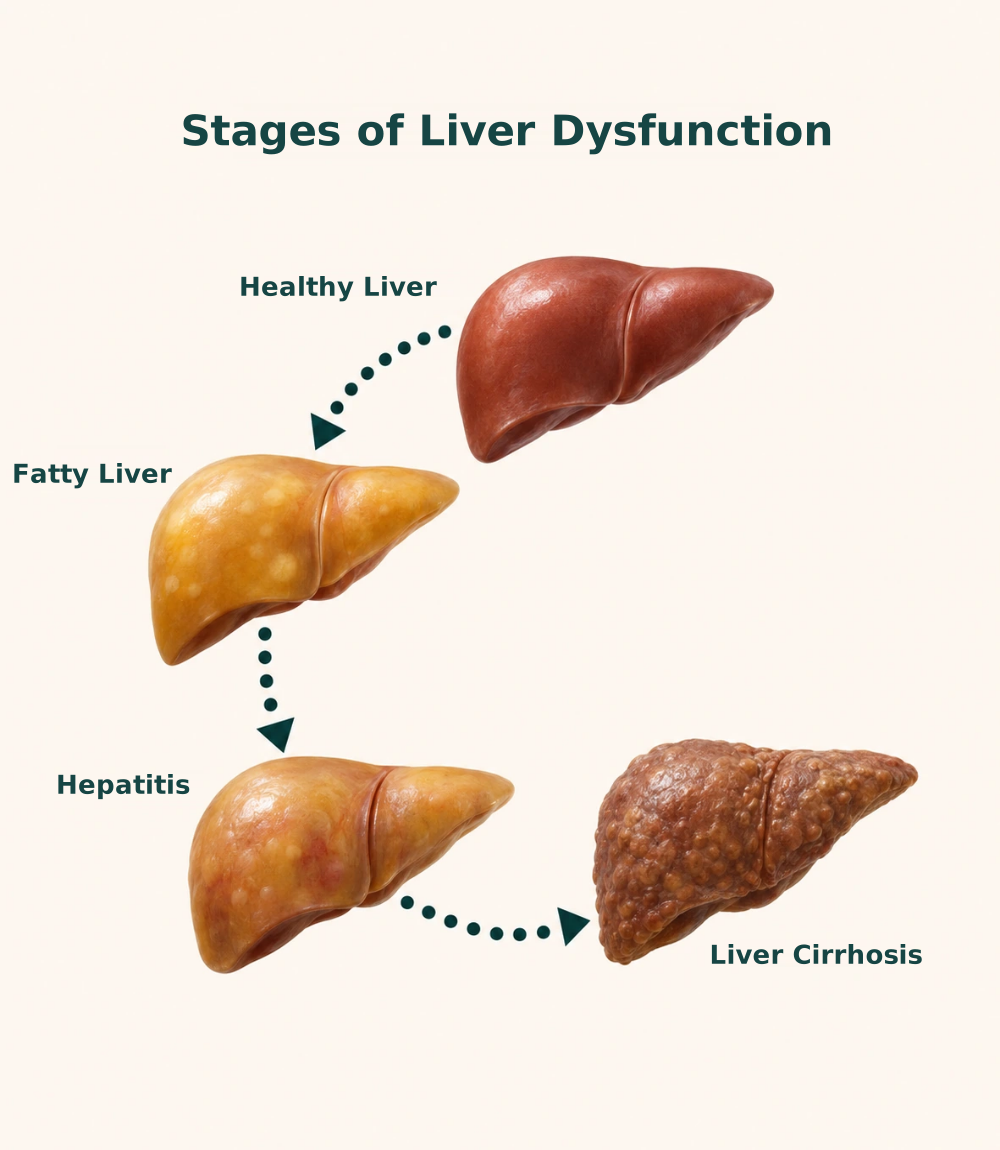
Persistent inflammation associated with fatty liver disease, hepatitis or cirrhosis carries a high risk of progression to liver cancer. Adipose-derived mesenchymal stem cell therapy can be used to treat liver dysfunction associated with these conditions.
MSCs have a potential to differentiate into hepatocytes. In addition, MSCs secrete biologically active substances that can suppress inflammation, alleviate fibrosis, and promote hepatic regeneration. These characteristics make MSCs an attractive therapeutic tool to improve liver dysfunction and to reduce the risk of liver cancer development.
MSC therapy for joint injuries
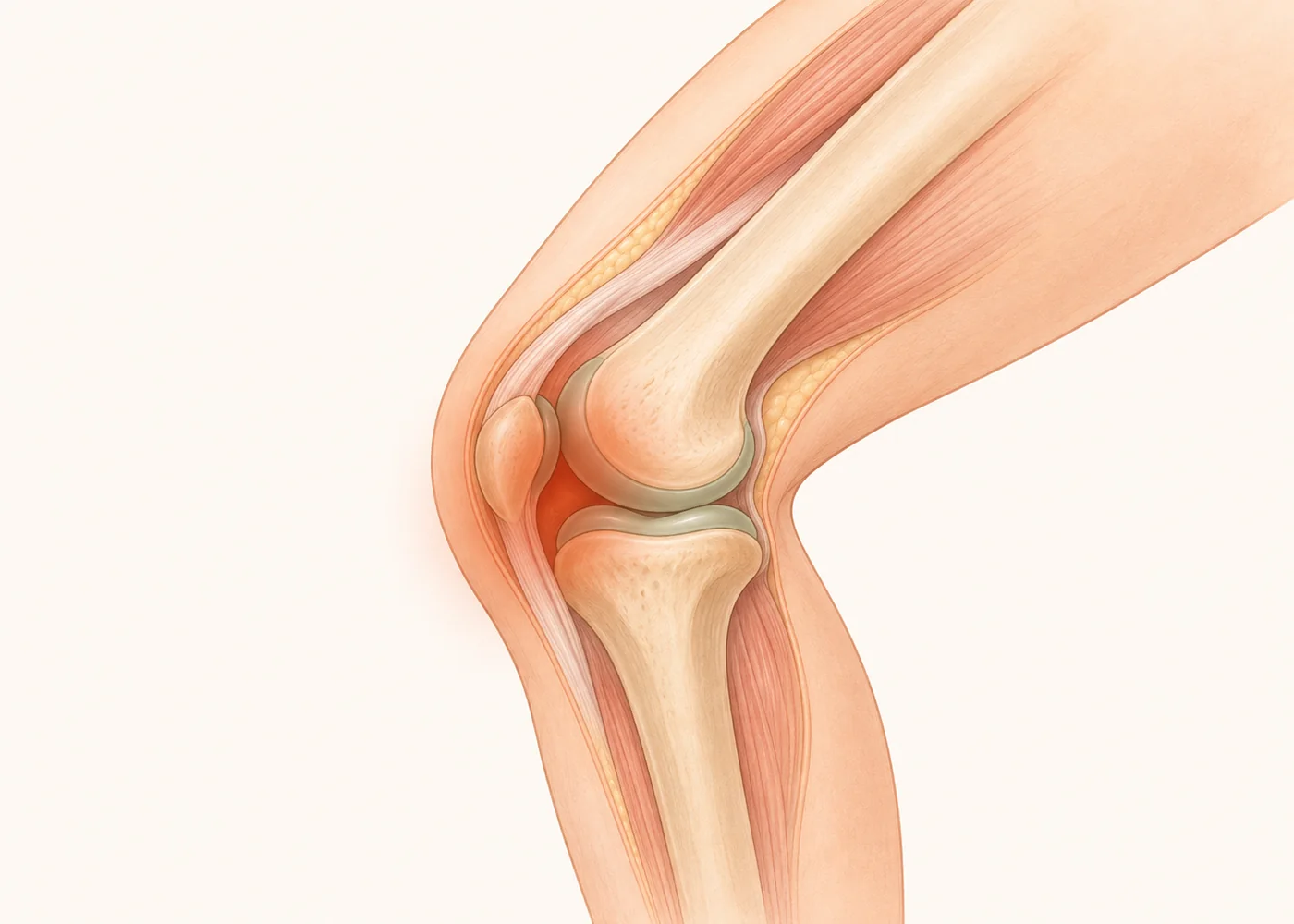
Joint injuries (e.g., osteoarthritis of the knee) can lead to the abrasion of joint cartilage and severe joint pain. Joint injuries can also be treated using MSCs. MSCs have a potential to differentiate into chondrocytes and osteocytes. In addition, MSCs secrete biologically active substances that can suppress joint inflammation, reduce pain, and improve joint mobility.
Prospect of MSC therapy
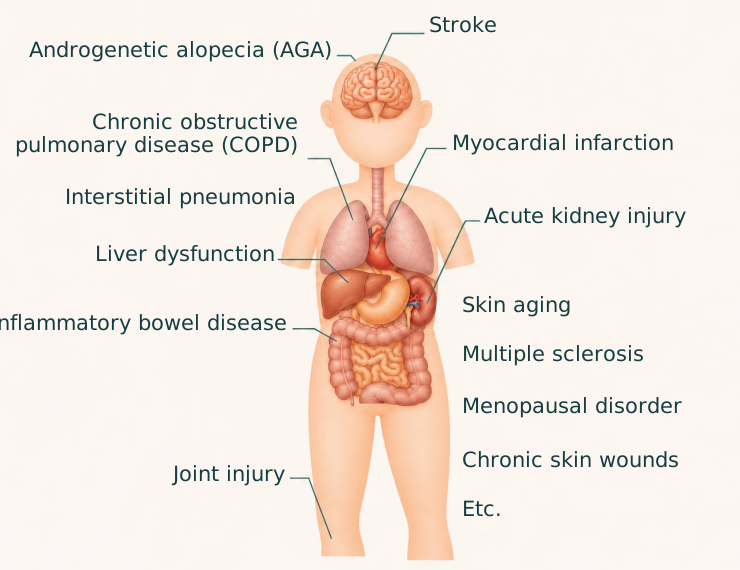
Clinical studies have reported on the effects of adipose-derived mesenchymal stem cells in treating liver dysfunction, chronic pain and joint injuries.
On the other hand, the usefulness of MSC therapy for some other diseases has been demonstrated in animal models thus far. Such diseases include stroke, myocardial infarction, chronic obstructive pulmonary disease, interstitial pneumonia, inflammatory bowel disease, acute kidney injury, multiple sclerosis, menopausal disorders, chronic skin wounds, androgenetic alopecia. MSC therapy is expected to show efficacy against those diseases in the future.
The Procedure of Adipose MSC Therapy
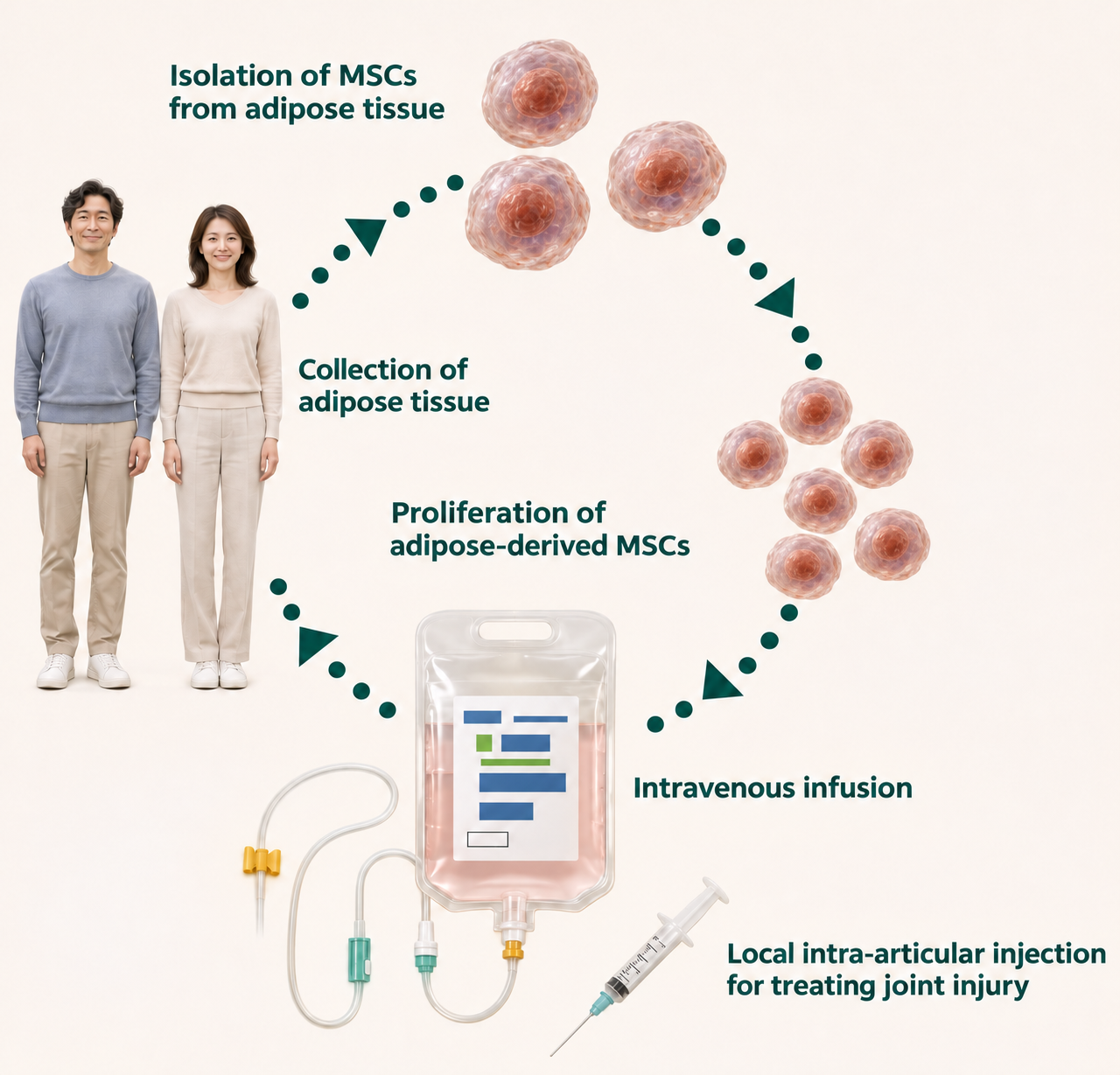
Preoperative Examination
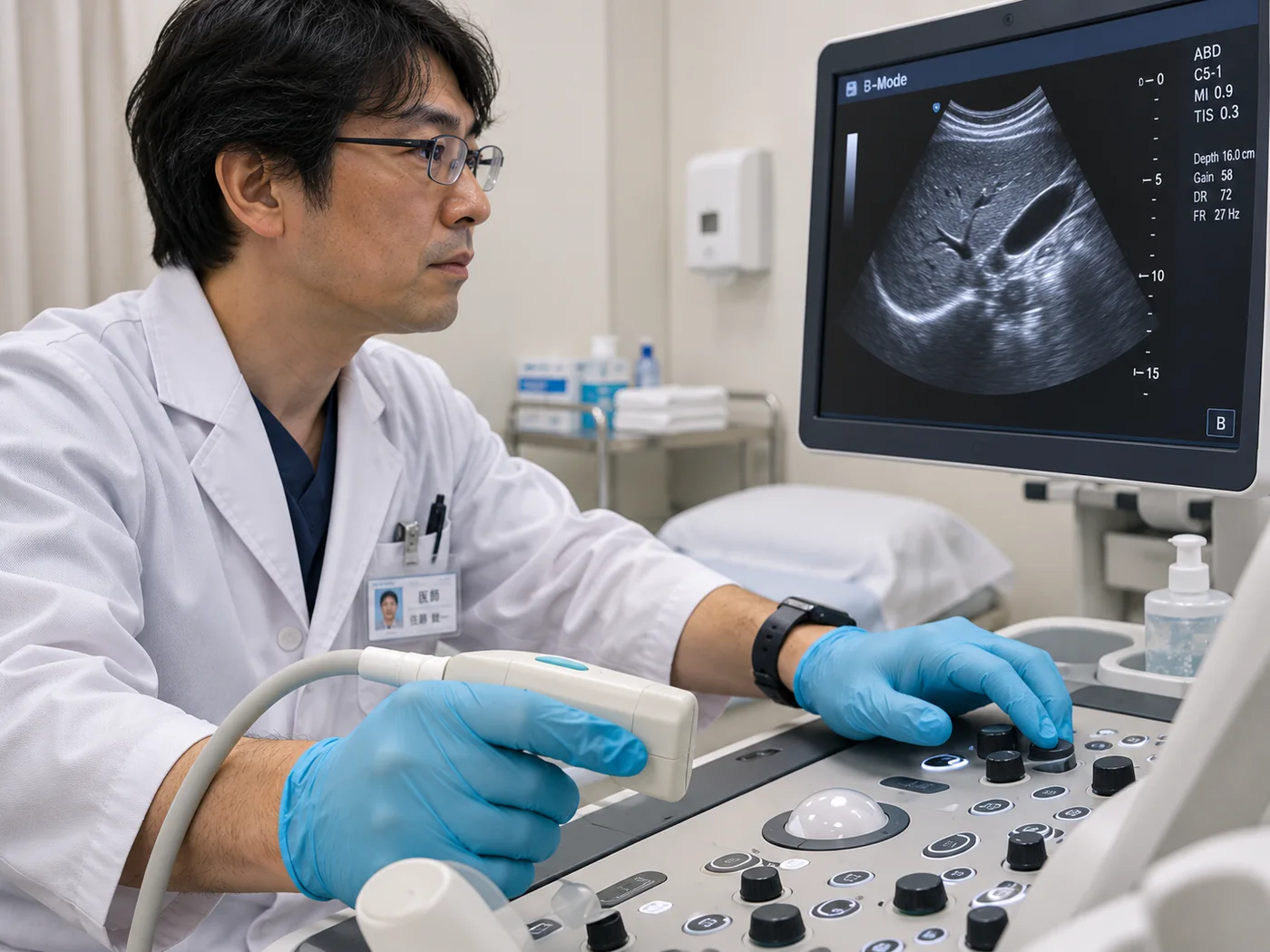
After your consultation, the clinic will arrange a complete blood count and an ultrasound before the procedure to assess your health.
※Cancer patients cannot receive adipose stem cell therapy
Adipose tissue collection
After the examination, you will be asked to sign a consent form. The clinic will collect adipose tissue once you have given your consent.
After local anesthesia, an incision of approximately 1 to 3mm will be cut in the right lower abdomen and approximately 10-20g of fat will be collected.
About 60 mL of plasma will also be collected to provide nutrients for the stem cells during culture.
After collection, the clinic will send the sample to the designated facility for cell culture and processing.

Cell Culturing
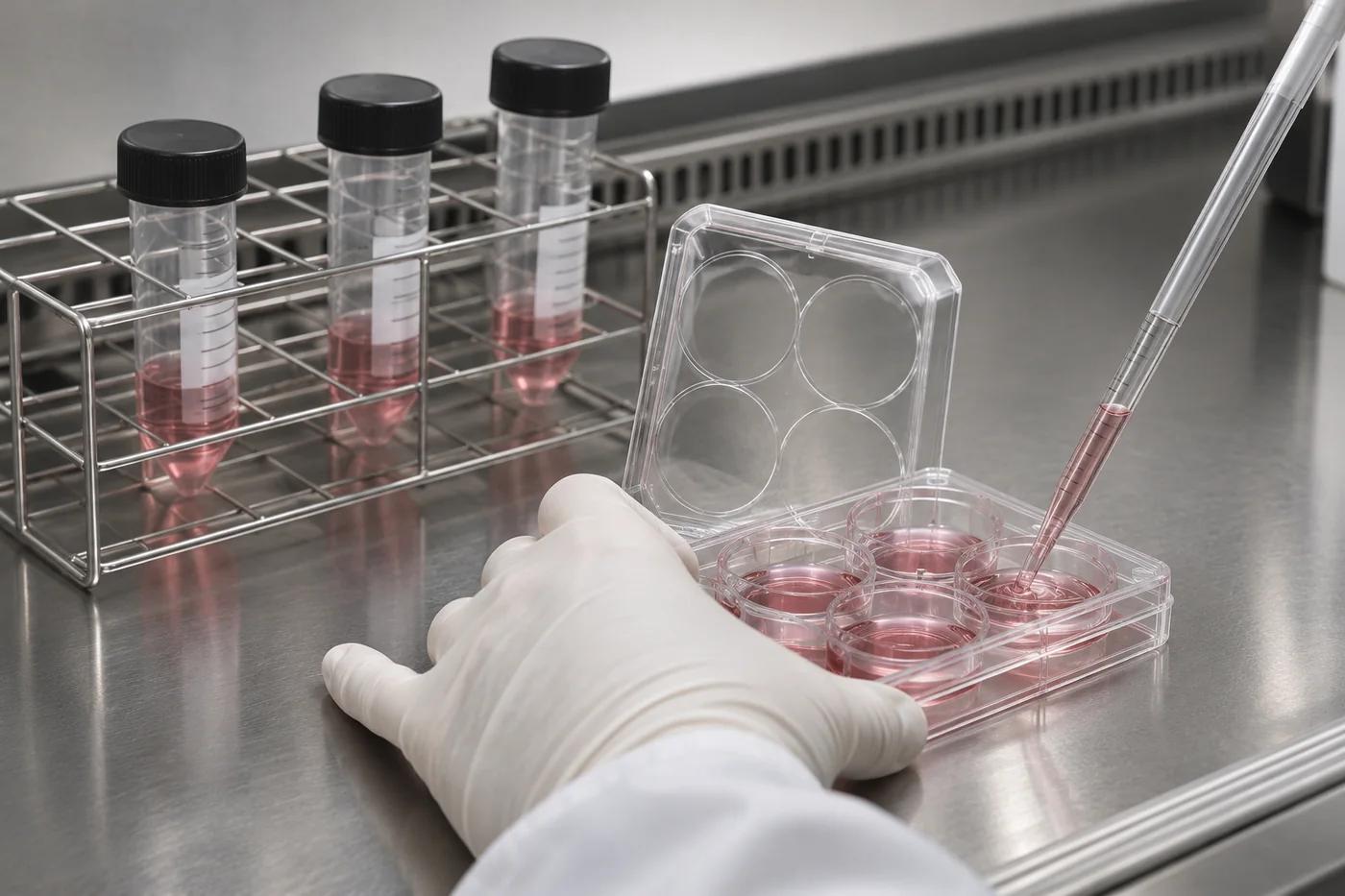
The adipose stem cells will be cultured in a specific cell processing facility certified by the Ministry of Health, Labor and Welfare.
Infusion and joint injection can be performed five weeks after the initial culture.
In order to let all customers to receive the safest regenerative medicine, all cells cultured and prepared in this facility will undergo thorough quality management and safety testing after completion of culture.
※You can choose to stay in Japan or return to your country during culturing period.
Stem Cell Infusion・Injection
Five weeks after the start of the cell culture, the initial stem cell intravenous (IV) transfusion and arthroplasty can be performed.
The number of cells in the IV infusion is about 100 million and the number of cells for the joints is about 30 million.
An intravenous infusion takes about 40 minutes to an hour. A joint injection takes about 10 minutes.
The collected adipose tissue can be used for about 11 treatments. If you would like to do the treatment again, you can use the frozen stem cells. Please contact us at least two weeks before the next treatment date.